
Recently updated on October 12th, 2026 at 09:17 pm

File a Restraining Order Online: Washington Antiharassment Protection Order
Create Forms and File for Antiharassment Protection (Restraining) Order Online (AHPO)
This website helps you create official Washington forms and file for a restraining order online, legally called Civil Protection Orders.
This page is for the Antiharassment Protection (Restraining) Order, a type of restraining order for when the abuser could be a neighbor, a co-worker, or a total stranger.
For a current or former husband, wife, legal domestic partner, boyfriend, girlfriend or dating partner, or a close relative, please see Domestic Violence Protection (Restraining) Order.
The website leads you through friendly online questionnaires, with helpful tips directly from courts. Once you complete the questionnaires, you can download the latest official version (last updated May 2024) of court documents (PDF) or electronically file (E-file) these with your local Superior or District Court.
You can also just explore your options, as your privacy is kept and your case is visible only to you until you file the restraining order with the court.
Start
Process Overview
This website presents a list of questions, and then at the end generates the paperwork for the Antiharassment Protection (Restraining) Order (AHPO).
HOW THIS WEBSITE WORKS
This website provides a guided experience to people who are working themselves on preparing the court forms for an Antiharassment Protection Order (AHPO).

1. Take Screening
Select the specific protection order you want to file for. Then answer a few questions to determine your eligibility.

2. Prepare Documents for Restraining Order
Prepare the main set of your court documents by covering one topic at a time presented in simple language, and from any device. Then digitally sign without the need to print or re-scan the documents.

3. Consult Advocate (Optional)
Depending on your situation, we can suggest trusted free victim advocacy nonprofits. The advocate can assist you with certain aspects of the case and safety planning. They can review your case documents and talk to you directly to discuss your case.

4. File for Restraining Order Online
This website simplifies filing with your local court across Washington state to a couple of clicks, and you get follow-up notifications from the court. You also have the option to download and print the PDF files and file in person with the court.
How to get a restraining order? How to apply for a restraining order? How to Obtain a Restraining Order?
How to get a restraining order? How to apply for a restraining order? Or, more precisely, how to get an Antiharassment Protection Order (AHPO) in Washington? Getting an AHPO (restraining order) typically involves filing the case and attending a hearing, which can take anywhere from one day (emergency situations) to about two weeks.
Step 1
You: Gather evidence (proof of harassment) to get a restraining order
Gather evidence to support your case, though your personal testimony alone is also evidence.
The following are considered evidence of harassment:
Evidence Type 1: Pending Criminal Case
Judges are also more likely to issue an order if there is an ongoing criminal case; therefore, it’s important to call such cases out when seeking a temporary restraining order.
When a judge sees that there’s a criminal case happening, they might think it means the police or the district attorney are pretty sure they can prove the crime happened.
Evidence Type 2: Photos of violence, injuries, damage
These are the most common types of evidence submitted. These can be photos of the victim’s injuries inflicted by the abuser. It is helpful to add photos next to the related incident description to help create a complete picture for the judge.
Evidence Type 3: Printouts of messages, emails or transcripts of voicemail
You can take screenshots of text messages and attach them. Similarly, you can print emails and attach them as pictures or PDF files.
Evidence Type 4: 911 Calls
Rather than just saying you called 911 or any specific hotline, you can make your case stronger by listing the following items:
- The date and time (or approximate date and time) when the call was made
- Who made the call
- What was reported on the call
- Any specific details of the person who answered the 911 call, e.g. male/female voice
Evidence Type 5: Medical Records
You can attach documentation of previous medical emergencies or injuries that resulted from the actions of the abuser. These could be hospital visit records or printouts from your hospital portal (e.g. MyChart) showing details of your visit.
Evidence Type 6: Police reports
You can attach a copy of the police reports filed against the abuser for harassment.
Evidence Type 7: Testimony
A testimony from a witness. The witness can be anyone, such as a family member, a neighbor, a co-worker or a bystander. The testimony is just an essay describing the incidents witnessed, with as many specifics as possible.
Step 2
You: Take Online Screening
Determine if your situation is roughly suitable for applying for an Antiharassment Protection (Restraining) Order by taking a screening. You can begin by entering your ZIP code in the Start box at the top of this page.
Step 3
You: Create Case Documents (“Packet”)
After the screening, this website will guide you through the rest of the steps to creating the case documents.
Just for your knowledge: In order to file for an Antiharassment Protection Order (AHPO), you need to fill out and submit a standardized set of official Washington court forms. These have questions aimed at understanding your situation and the people involved.
Example: The form which gathers the main information is PO 001 Petition for Protection Order.
Step 4
You: File the restraining order online with the court
To formally request the court, you need to submit the documents with the clerk at the court. This step is called filing, and there are two ways of doing this step, and both have the same effect:
- Online (Called E-file)
- In person
This website offers both filing options.
You can digitally sign and e-file with the court. E-filing is convenient and you can do it anytime. The date of filing is when you file, or the next day if you file after hours. The restraining order case documents are filed at your county’s Superior Court or District Court. Example: Snohomish County Superior Court or King County Superior Court.
You can also download the PDF files and then walk in to the court and submit in person.
Once the filing is successful, a case number is assigned.
Step 5
Judge Issues a Temporary Restraining Order
Depending on the facts and evidence presented, a judge can issue an Antiharassment Protection (Restraining) Order the same day until the hearing, called an ex parte temporary protection order.
In relatively less risky situations, a temporary order is issued in a few days.
If there are no grounds, or if the application is incomplete or the jurisdiction is incorrect, the request for an order may be denied.
A hearing may be set for the parties to present their case.
The temporary order is only valid for about 2 weeks, which is the amount of time until the hearing. If the hearing is delayed for any reason, you need to check with the court to ensure the temporary order is re-issued until the hearing.
Step 6
Law Enforcement: Delivers Temporary Antiharassment Protection (Restraining) Order to the abuser
This is a big step, as now the temporary order takes effect.
This would be done in the following way, after which you are legally protected, i.e. a violation will cause arrest or criminal charges for the abuser:
- Clerk would have the abuser served by law enforcement. You don’t need to do anything in this case.
Step 7
You, Abuser: Attend Court Hearing
Attend a hearing: The court holds a hearing within a couple of weeks where the evidence is examined. If there is sufficient supporting evidence as determined by a judge, a full restraining order is issued. At this point it becomes a crime for the abuser to break the conditions of the restraining order.
If the abuser misses this hearing even though they were served the court order on time (about 1 week before the hearing), then you might get the court order automatically, i.e. without discussion and further evidence.
Step 8
You: Collect Final Order
After the hearing, a final restraining order may be issued. You can take a paper copy of the order with you for your records, which can be crucial if you have to call the police for a future incident. The order is typically valid for 1 year.
Legal Definition
Washington Antiharassment Protection (Restraining) Order Laws
What are the requirements of getting a restraining order? That question is answered by the definition. It is important because a restraining order will be issued if the abuser’s behavior is shown to meet the definition.

(37) “Unlawful harassment” means:
(a) A knowing and willful course of conduct directed at a specific person that seriously alarms, annoys, harasses, or is detrimental to such person, and that serves no legitimate or lawful purpose. The course of conduct must be such as would cause a reasonable person to suffer substantial emotional distress, and must actually cause substantial emotional distress to the petitioner; or
(b) A single act of violence or threat of violence directed at a specific person that seriously alarms, annoys, harasses, or is detrimental to such person, and that serves no legitimate or lawful purpose, which would cause a reasonable person to suffer substantial emotional distress, and must actually cause substantial emotional distress to the petitioner. A single threat of violence must include:
- (i) A malicious and intentional threat as described in RCW 9A.36.080(1)(c); or
- (ii) the presence of a firearm or other weapon.
WHO CAN START A CASE
This website provides a guided experience to people who are working themselves on preparing the court forms for an Antiharassment Protection (Restraining) Order.
1. Victim 15+ years
Anyone 15 years or older, and without a parent’s permission, can create the paperwork and file to start a case.

2. On behalf of a minor (under 18)
A minor’s parent, legal guardian or custodian can file the petition on behalf of that minor. The parent, legal guardian or custodian must be 15 years or older.

3. On behalf of a senior or disabled person
An adult can file on behalf of a vulnerable adult.
WHO CAN BE PROTECTED
This website provides a guided experience to people who want protection from harassment, stalking, or threats. It helps individuals prepare the court forms to request an Antiharassment Protection (Restraining) Order for themselves and, in some cases, for family or household members who are also affected.

1. Person Experiencing Harassment
Anyone 15 years or older who is being harassed, stalked, or threatened may file for protection. You do not need a parent’s permission to request an order.

2. Minor (Under 18)
A parent, legal guardian, or custodian who is at least 15 years old may file the petition on behalf of a minor who is being harassed or threatened.
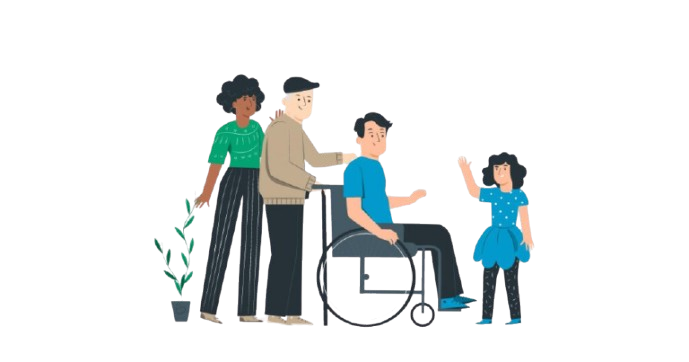
3. Vulnerable or Disabled Adult
An adult may file for protection on behalf of a vulnerable or disabled adult who cannot file on their own and is experiencing harassment or unwanted contact.
WHO CAN BE RESTRAINED
This website provides a guided experience to identify the person who may be restrained by an Antiharassment Protection (Restraining) Order. It helps users understand who the court can order to stop harassing, stalking, or threatening behavior.
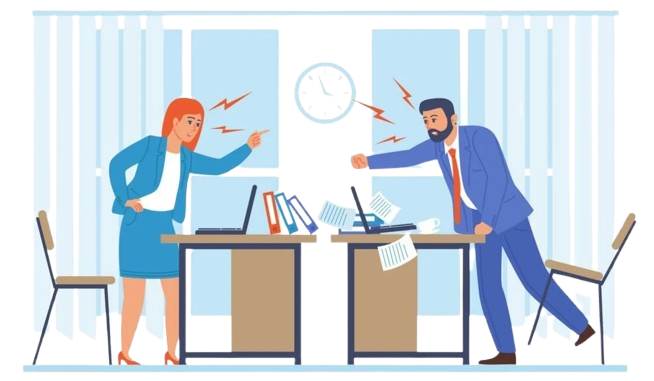
1. Anyone Engaging in Harassment
You may request an order against any person whose repeated actions seriously alarm, annoy, or harass you and serve no legitimate purpose.

2. Non-Family or Non-Household Members
Antiharassment Protection Orders are usually for situations involving people who are not related to you, such as a neighbor, classmate, co-worker, landlord, or acquaintance.

3. Persons Threatening or Stalking You
You may also request an order if someone is following, monitoring, or threatening you in a way that causes fear, distress, or harm.
WHAT RESTRICTIONS CAN YOU ASK THE JUDGE FOR
Here are the typical restrictions placed on the abuser via the restraining order.

Stay Away From You
Abuser would generally have to stay at least 1,000 feet away from you, your children and locations you request, such as your work.

Not to contact you
Not to contact you via phone or text or mutual friends.

Not stalk you
Not stalk you or your loved ones, including your accounts on Facebook or other social media.

Hand over a car
Get access to cars held by the abuser.

Vacate the shared residence
The respondent can be asked to vacate the shared residence. You can also request help from police to kick them out.

Hand over Passport, Cell phone, Medications etc.
You can ask for your personal items such as passport, medications, clothes. This would be applicable if you were living together up to now.

Don’t post intimate images
Take down, delete, and do not distribute intimate images of a protected person, as defined in RCW 9A.86.010.

Restrict Abusive Litigation
This is to prevent the misuse of the legal system to harass, intimidate, or burden you.

Get Drug, Mental Health and Sex Offender Treatment
You can request that the abuser seek treatment for alcoholism or drug use.
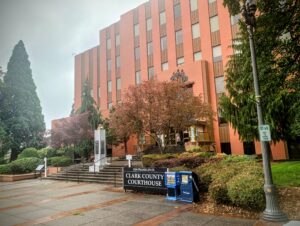
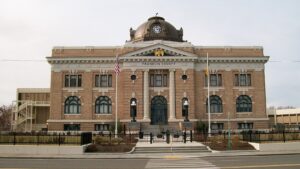
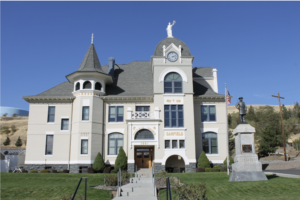
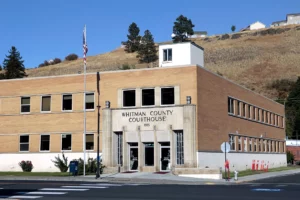
Filed at Superior and District Courts in Washington
Your case documents are filed at a Superior or District Court in your county. Here are examples of some.
























FAQs
How do restraining orders work?
After a court issues you a restraining order, and the abuser is informed about it, then if the abuser violates it you can call 9-1-1 and law enforcement will arrest and/or charge the abuser.
How long does it take to get a restraining order?
You can get a temporary restraining order the same day as you file in case of an emergency, as long as you apply on a business day and typically by noon. Regular (non-emergency) orders may be issued in a few days, while some cases may be decided only at a hearing in about 2 weeks.
How much does it cost?
The forms are free. The filing fee is $53.
The filing fee is automatically waived if the case involves:
- Stalking
- Hate crime
- Single act/threat of violence including malicious and intentional threat or presence of firearm/weapon causing substantial emotional distress
- Family or household member engaged in domestic violence
- Nonconsensual sexual conduct or penetration or a sex offense
A petitioner can also request a fee waiver due to inability to afford to pay the fees for any of the following reasons:
- They get certain public benefits (TANF, HEN, SSI, Food Stamps, or federal poverty-related veteran’s benefits)
- Their income is under 125% of the federal poverty guidelines
- Their basic living expenses keep them from paying the filing fee and other required charges. “Basic living expenses” means the average monthly amount you spend for living costs such as shelter, food, utilities, health care, transportation, clothing, loan payments, support payments, and court-imposed obligations.
- Other compelling circumstances exist that demonstrate their inability to pay fees and/or surcharges
The sources of this information are:
- RCW 7.105.105(9)(b), which states: (i) No filing fee may be charged to a petitioner seeking an antiharassment protection order against a person who has engaged in acts of stalking as defined in RCW 9A.46.110, a hate crime under RCW 9A.36.080(1)(c), or a single act of violence or threat of violence under RCW 7.105.010(37)(b), or from a person who has engaged in nonconsensual sexual conduct or penetration or conduct that would constitute a sex offense as defined in RCW 9A.44.128, or from a person who is a family or household member or intimate partner who has engaged in conduct that would constitute domestic violence; and (ii) The court shall waive the filing fee if the court determines the petitioner is not able to pay the costs of filing.
- Washington Courts General Rule 34 (GR34).
How long do restraining orders last in Washington?
All restraining orders, including an Antiharassment Protection (Restraining) Order (AHPO), are typically issued for one year.
Can a restraining order get the abuser fired from their job?
Yes, it is possible, but it depends on the order type and job.
What’s the immediate benefit to the victim?
As a legal warning, restraining orders force the abuser to stay away from the victim and comply with other conditions, or else they will be charged with a crime and face prison time. Furthermore, by taking guns away from the abuser, they can reduce the risk of fatality for the victim.
Do I need a lawyer to get an Antiharassment Protection (Restraining) Order (AHPO)?
No, a lawyer is not required. However, having a lawyer in any legal situation can benefit you.
How many people file for restraining orders in Washington?
In Washington, about 35,000 Civil Protection Orders (source 1 and 2) were filed in 2023, or about 100 daily.
When should I get a restraining order vs. file a criminal charge?
If criminal charges are filed, then a restraining order is typically also filed, as it provides protection for a set time frame just in case the criminal charges are dropped. Restraining orders are also important when no crime has been committed, e.g. coercive control, and therefore they are the only option in many situations.
How can a restraining order affect my relationship?
A restraining order can have several effects, particularly if you run into the same person, but overall it can be a positive thing that avoids bigger problems.
Do Restraining Orders Help?
Here is the outcome of research on restraining orders from the University of New Hampshire.
1. Reduce Violence
Restraining orders are effective in reducing violence and harassment. For half the subjects in the sample studied, a restraining order stopped the violence. For the other half, the orders significantly reduced violence and abuse.

2. Cost Effective
Restraining orders are relatively low cost for victims and for the government, particularly when compared with the social and personal costs of violence.

3. Cities vs. Countryside
The impact of civil protective orders on reducing violence and abuse did not differ for rural (countryside) and urban (cities) women. In rural areas, where resources and services for abuse or violence may be more limited, it is critical to reduce barriers to obtaining protective orders, as research indicates they may be an effective resource. Community-level barriers to enforcing civil protective orders exist for women in rural areas.
RISKS
The abuser may react to your filing for a restraining order.
Anger
The abuser, particularly in proximity situations (e.g. co-worker, neighbor), may react with anger due to the perceived loss of control over you and your household.
Murder or Physical Harm
A particular risk is that if the respondent has access to guns or other firearms, they might actually kill you. Here’s an example from 2023 in New Orleans, Louisiana.
Reporting you unnecessarily
Fearing restrictions, the abuser may cause harm, e.g. with neighbors, report you to the HOA or, in the case of workplaces, report you to HR.
Damaging jointly owned property
The respondent may cause damage to a shared fence, e.g. with neighbors, or any other shared item to cause harm to you.
Weaponize Immigration Status or Health Insurance
The abuser may report your or your loved ones’ undocumented immigration status to U.S. authorities, or cancel health insurance.
Spreading false information about you
The abuser may spread false information, particularly on Facebook, Instagram, Twitter or other social media.
Court Forms (Templates) Created
When you pass the screening and complete the questionnaires, you can then download the following standard court forms filled correctly with your information. These court forms are provided by the Washington Courts.

Core Forms
- PO 001 Petition for Protection Order
- PO 003 Law Enforcement and Confidential Info
- PO 004 Proof of Service
Depending on Situation
- PO 012 Motion and Declaration for Waiver of Filing Fees and Surcharges – Harassment
- UH2.0110 Financial Statement – Harassment
TYPES OF CIVIL PROTECTION (RESTRAINING) ORDERS in Washington
In Washington, there are six types of civil protection orders, with the Antiharassment Protection (Restraining) Order (AHPO) being one of them.
Domestic Violence Protection Order
Domestic violence is abuse from a romantic partner, or a family or a household member. The abuse can involve physical or sexual violence, or a pattern of harassment or controlling behavior or merely threats to harm.
Antiharassment Protection Order
For harassment, stalking, abuse, or threats by a neighbor, co-worker, roommate, distant relative or a total stranger and not a current or former romantic partner or a close family or household member.
Sexual Assault Protection Order
This protection order applies to situations involving unwanted sexual conduct by someone who is not a romantic partner or a member of the victim’s family or household.
Vulnerable Adult Protection Order
Vulnerable adults are senior citizens or other persons who have physical or mental disabilities. This protection order is aimed at protecting them from someone who is mistreating them or exploiting them financially.
Stalking Protection Order
May be filed by someone who is experiencing stalking conduct by someone who is not a romantic partner or a family or household member.
Extreme Risk Protection Order
This is aimed at restricting access to firearms from someone who poses significant danger to self or others. This protection order can be requested by a family or household member or a law enforcement agency.