
How do I get a domestic violence injunction against my sibling in Florida
 Many people do not come forward because of shame, embarrassment, and the lack of support they perceive they would receive or the heartbreak to the parents or other family members it may cause if they opened up about abuse or harassment from a sibling.
Common situations that may lead someone to request a restraining order against a sibling often involve patterns of abusive, threatening, or harmful behavior such as
- Physical Abuse: One sibling physically harms another, including hitting, shoving, or any form of physical assault. This behavior can create fear for the victim’s safety and qualify as domestic violence under Florida law.
- Verbal or Emotional Abuse: Continuous verbal assaults, such as name-calling, threats, or intimidation. If a sibling is engaging in behavior that mentally or emotionally destabilizes the other, this can be grounds for a restraining order.
- Threats and Coercion: A sibling threatens bodily harm or uses intimidation to control or coerce the other sibling. This includes threats of violence, threats to ruin someone’s reputation, or threats to harm pets or property.
- Stalking or Harassment: Repeated unwanted contact, whether in person, through text messages, social media, or other means, can be considered harassment. Stalking behaviors, such as following the sibling, monitoring their activities, or showing up uninvited, may also justify a restraining order.
- Drugs, Alcohol or Other Addiction Related Violence: When a sibling’s substance abuse leads to violent or erratic behavior that puts others at risk, including situations where the sibling may be under the influence and threatens or harms others.
- Property Damage: If a sibling intentionally destroys personal property to intimidate or retaliate against the other, this could be part of a pattern of abuse justifying a restraining order.
- Control and Manipulation Coercive control, such as isolating a sibling from friends and family, controlling their movements, or monitoring their communications. This can also include financial control, where a sibling takes money or resources without consent.
A Domestic Violence Injunction, also known as a restraining order, is a legal order issued by a judge that requires an abuser to stay away from and not contact their victim. It is granted when the abuser is harassing, threatening, stalking, or physically harming the victim. This order serves as a formal legal warning which if violated, such as by sending text messages, can trigger criminal charges and possible jail time for the abuser.
Process: How to get a Domestic Violence Injunction
Step 1: Does my situation qualify for filing for a Domestic Violence Injunction
Criteria
In Florida, you can request a Domestic Violence Injunction (restraining order) if you meet the following criteria, as outlined in Florida Statutes § 741.30:
- Evidence of Domestic Violence You must show that the respondent has committed or threatened to commit domestic violence, as defined in Florida Statutes § 741.28(2). This includes:
-
- Physical abuse (hitting, slapping, choking, etc.)
- Sexual assault or battery
- Stalking or aggravated stalking (Florida Statutes § 784.048)
- Threats of harm
- Kidnapping or false imprisonment
- Any act that caused physical injury or fear of harm
- Reasonable Fear of Future Violence Even if no physical violence has occurred yet, you can still qualify if you can prove: a reasonable fear that violence is likely to happen. Courts consider: Previous threats or violent behavior, escalating patterns of abuse and harassment or intimidation tactics
- Qualifying Relationship: Under Florida Statutes § 741.28(3), the injunction applies if the respondent (the person you are filing against) is:
- A current or former spouse
- A blood relative or relative by marriage
- Someone you currently or previously lived with as a family
- A co-parent, even if you were never married or lived together
- For all relationships except co-parents, the law requires that you must have lived together at some point.
-
Qualifying Relationships
 1. Spouse: A spouse or former spouse such as husband or wife, registered domestic partners. You must have lived together at some point.
 2. Lived together as family: Someone you currently or previously lived with as a family
 3. Coparent: A person with whom the respondent has had a child
 4. Relatives by blood or marriage: This includes: Children, Parents, Brother or Sister, half-brother or Sister, step-brother or sister;, grandparents, niece, nephew, uncle, and aunt. For in laws it would be father in law, mother in law, brother in law and so forth.
 - Residency Requirement According to Florida Statutes § 741.30(1)(k), you must file for an injunction in the county where you live, where the abuse occurred, or where the abuser lives.
What if I am Under 18 years of Age
In Florida, the minimum age to apply for a Domestic Violence Injunction (DVI) is 18 years old. However, individuals under 18 can file for a Domestic Violence Injunction (DVI) through:
- A Parent or Guardian: A minor’s parent, legal guardian, or another adult can file the application on their behalf.
- A Designated Adult Representative: In some cases, an adult representative may apply for a Domestic Violence Injunction (DVI) to protect a minor.
For minors seeking protection in cases of dating violence, sexual abuse, or stalking, the court may allow exceptions to these general filing requirements.
What if the abuser lives out of Florida
Yes, you can file for a Domestic Violence Injunction in Florida even if the abuse happened outside of Florida, as long as you currently live in Florida.
Florida law allows you to seek protection in the county where you reside, regardless of where the abuse took place.
However, if the abuser lives in another state, the court may have limited authority over them. This could affect enforcement, but the injunction can still provide protection within Florida.
Would you like help with the filing process?
Situation Examples
Example 1: Husband is sexually and verbally abusive, and controlling
We live in the greater Orlando, Florida area. My husband does not allow me to say no to sex. While he does not always make this demand explicitly, I know that if I refuse, bad things will happen, such as bullying, threats, and intense tension. We have been having sex every day for nearly two decades now. When I don’t comply, he verbally abuses me, calling me a “whore.” This usually happens when he is intoxicated, and I am scared to discuss it because his anger quickly spirals out of control. He throws things at me, which increases my fear.
This behavior has been happening for over ten years, so I can’t remember the exact date of the first incident. One day, I carefully suggested that we might not be a good fit and should consider counseling. He became enraged and threatened to destroy my life, my work reputation, and even report minor mistakes I’ve made to immigration authorities.
For the past six months, I have been sleeping in a separate room, but he comes into my room routinely, trying to force himself on me. I often feel that if I resist or refuse his advances, my reputation, our property, or even my life could be in danger. I feel small, humiliated, and disgusted with myself.
Example 2: Boyfriend blackmails and destroys property to control and induce fear
Today, Michael was carrying a pistol and appeared to be under the influence of an unidentified substance. He made threats to ruin my 28-year accounting career in Miami by falsely accusing me of illegal financial activities. He said, “If you mess with me, I’ll retaliate.” Along with these threats, he caused damage to my property, including putting a hole in the wall. His behavior becomes particularly dangerous when he is using drugs.
Example 3: Ex-boyfriend stalks
Jenna’s ex-boyfriend shows up at Jenna’s work in Saratoga unexpectedly and drives around. Jenna is fearful, and had earlier clearly asked him to leave her alone.



Step 2: Gather Evidence (You can upload it online)
The first step is to gather the evidence to support your case. What proof do you need for a Domestic Violence Injunction in Florida. The following are examples to help you organize though anything that supports your claims can be used.

Criminal Case
A criminal case in progress shows that the district attorney also found evidence of the abuse or crimes and therefore supports your claims.

Photos
Photos of violence, injuries, damage

Messages
Print outs of messages, emails or transcripts of voicemail
911 Calls
For each call document the #, date, time, caller, callee details

Medical Records
Documentation of any medical emergencies or injuries or treatments resulting from abuser’s violence.

Police Report
Police reports filed against abuser for domestic violence.

Testimony
A testimony from a witness who can be a family member, neighbor a co-worker or a bystander, either in writing or in person at the hearing, describing the incidents witnessed.
Step 3: Prepare the Official Court Forms
You can fill these online for free.
Explore Court Forms Online
In order to apply for a Domestic Violence Injunction (DVI), you need to fill and submit a specific set of official Florida court forms. These have questions aimed at understanding your situation and the people involved.
Step 4: File with the Court
In Florida, you file for a Domestic Violence Injunction in the Circuit Court of the county where you live, where the abuse occurred, or where the abuser lives
Identify the methods of Filing
Method # 1: In Person by visiting the court house
Your court location would accept the forms to be submitted in person at the court hours.
 Tip: All courts have lunch hours when they are closed for an hour
When you submit your case documents at the court, typically you take 3 copies.
The clerks reviews it, and if everything is ok, they formally enter it into the court system and put a stamp near the top of the documents. That acceptance is called filing.
Method # 2: E-file online
This is the most efficient option if you have an email address and basic computer skills, such as creating an account and uploading PDF files. Some counties now offer one or more online portals where you can create a free account, upload documents, and submit them with just a few clicks. However, you will need to pay certain online service fees.
Method # 3: Via another person
Some counties accept filing via a friend or legal courier. These companies or individuals charge a flat or hourly fee and file the documents at the court.
Step 5: Judge Grant/Deny Temporary Domestic Violence Injunction (DVI)
Once you submit the petition, the court will review your application, typically on the same day. A judge will decide whether to issue the Temporary Domestic Violence Injunction DVI without a full hearing.
A judge reviews the case offline and then you will be notified by the court about the outcomes which are:
- Temporary Domestic Violence Injunction Granted
- Temporary Domestic Violence Injunction Denied
In addition the Judge would typically set a hearing. If the case doesn’t have sufficient evidence it might be dismissed without even a hearing.
The temporary order (if issued) is valid until the hearing i.e. typically about 3 weeks. If the hearing is delayed for any reason, you need to check with the court to ensure the temporary order is renewed until the hearing to provide you with legal protection.
Step 6: Serve a set of Stamped Case Forms including Hearing Notice to Abuser
Whenever a victim starts a Domestic Violence Injunction case they need to inform or serve the other party formally by delivering the court documents. That step is called serving the respondent.
In Florida, for a Domestic Violence Injunction (DVI), the other party (the respondent) must be served with the court order, which informs them that a Temporary Domestic Violence Injunction has been issued and provides details about the upcoming court hearing.
Under the Florida law there are multiple ways in which the other party can be served.
 You cannot serve your papers yourself.
Option 1: Ask the Sheriff (FREE)
 In most counties, the sheriff’s office is responsible for serving the respondent. This is the standard method and is often free of charge for domestic violence cases.
Option 2: Hire a legal courier (Process Server)
 You can also hire a courier called professional process server. You can search on Yelp or Google to get a list of options near you.
You cannot hire regular couriers such as UPS, FedEx or US Postal Service unless in exceptional scenarios where the judge authorizes service by mail, but that’s a whole different topic altogether.
Step 7: Present Evidence in a Court Hearing

Attend a hearing: The court holds a hearing within a couple of weeks where the evidence is examined. If there is sufficient supporting evidence as determined by a Judge, a full restraining order is issued. At this point it becomes a crime for the abuser to break the conditions of the restraining order.
Step 8. Collect the Final Domestic Violence Injunction order
After the hearing, a final order may be issued. You can take a paper copy of the order with you. The order is typically valid for five years.
Costs – How much does it cost to get a Restraining Order
The cost depends on the type of restraining order.
Domestic Violence Injunction
- FREE forms : You can get the court forms for free, or prepare them using the guided experience below.
- FREE filing: There is no fees for filing. Online filing platforms may charge a E-filing fees
- FREE Serving the other party
How long does it take to get the Domestic Violence Injunction in Florida
In Florida, the timeline for obtaining a Domestic Violence Injunction (DVI) depends on the circumstances:
-
Temporary Injunction (Immediate Protection) – After you file your petition, a judge typically reviews it the same day or within 24 hours. If the judge finds an immediate threat, they will issue a temporary injunction, which takes effect as soon as the respondent is served.
-
Final Injunction (After a Hearing) – A full hearing is usually scheduled within 15 days of filing the petition. At the hearing, both parties can present evidence, and if the judge determines that a permanent injunction is necessary, they will issue a final restraining order with long-term protections.
Is a Domestic Violence Injunction helpful?
The purpose of a restraining order is to restrict the contact or proximity of one person (the respondent or alleged perpetrator) to another person (the petitioner or victim) in order to ensure the safety and well-being of the petitioner.
The specific terms of a restraining order can vary depending on the circumstances of the case e.g. if the people live together then it might require one party to vacate the place.
Typically, a restraining order may prohibit the respondent from
- Approaching or contacting the petitioner including via text or social media
- Staying away from the usual places petitioner is at such as home, work or school
- Prohibit stalking, or surveillance of any kind
- In situations where they lived together, provide custody or access to
- Children
- Pets
- Important documents
- Personal items such as clothes, medications, cell phones
- Cars
- Extending the protections to others living with the petitioner
Research findings on benefits of restraining orders
Here’s the top three findings from a study on domestic violence and restraining orders from the University of New Hampshire
 Reduce Violence
Domestic Violence Injunction (DVI) are effective in reducing partner violence for many women. For half the women in the sample, a Domestic Violence Injunction (DVI) stopped the violence. For the other half, the orders significantly reduced violence and abuse.
Cost Effective
They are a relatively low-cost solution, particularly when compared with the social and personal costs of partner violence.

Urban Vs. Rural
The impact of Domestic Violence Injunction (DVI) on reducing violence and abuse did not differ for rural and urban women. In rural areas where resources and services for partner violence may be more limited, the restraining orders hold greater importance.
What Restraints can I ask when I file for a Domestic Violence Injunction
Here are the typical restrictions places on the abuser via the Domestic Violence Injunction.
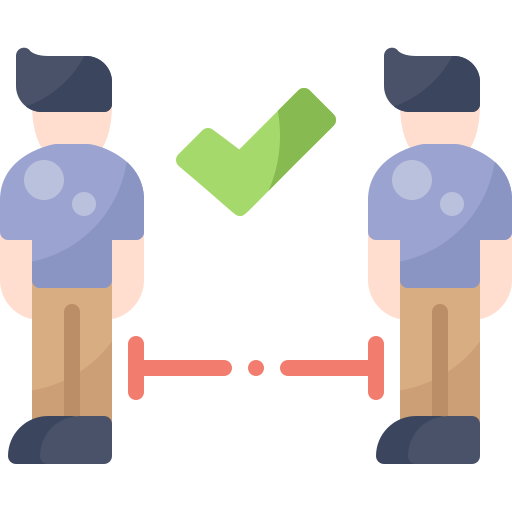
Stay Away From You
Abuser would have to stay at least 100 yards away from you, your children and locations you request such as your work

Not To Contact You
Not to contact you via phone or text or mutual friends

Not Stalk You
Not stalk you or your loved ones, including your accounts on facebook or other social media

Hand Over A Car
Get access to cars held by the abuser

Vacate The Shared Residence
The respondent can be asked to vacate the shared residence. You can also request help from police to kick them out.
Handover Passport, Cell Phone, Medications Etc.
You an ask for your personal items such as passport, medications, clothes. This would be applicable if you were living together up to now.

Don’t Post Intimate Photos
Take down, delete, and do not distribute intimate images of a protected person
Restrict Abusive Litigation
This is to prevent the misuse of the legal system to harass, intimidate, or burden you.
Get Drugs, Mental Health And Sex Offender Treatment
You can request the abuser to seek treatment for alcoholism, drug use, domestic violence abuse
Risks of a getting a Domestic Violence Injunction (DVI)
It is conceivable that following the submission of a Domestic Violence Injunction (DVI), the abuser particularly in domestic violence situations may react with anger due to the perceived loss of control over you and your household. In certain instances, the abuser may portray themselves as the victim and shift blame onto the actual victim they were mistreating.
The response of your abuser after the filing of a Domestic Violence Injunction (DVI) is unpredictable. While a Domestic Violence Injunction (DVI) can provide legal protection, one should not automatically assume that it guarantees safety. The initial weeks post-filing can be particularly precarious, contingent on your abuser’s reaction.
Despite the safeguards intended by a Domestic Violence Injunction (DVI), abusers may retaliate through various means, such as:
- Physical assault or violence
- Harming or taking away children
- Damaging jointly owned property
- Disregarding the order and persisting with threats, possibly through intermediaries
- Inflicting harm or causing harm to pets
- Harassing your loved ones for information
- Engaging in stalking behavior
- Initiating a retaliatory restraining order against you
- Spreading false information about you in court documents, online, or publicly
Following the submission of a Domestic Violence Injunction (DVI), it’s important to continuously assess your situation and prepare for the potential escalation of your case into more violent territory.
Resources
Here’s a list of government agencies that assist victims of domestic violence in Florida
Florida State Agencies and Programs
-
Florida Department of Children and Families – Domestic Violence Program
Oversees certified domestic violence centers across the state and coordinates services. -
Florida Coalition Against Domestic Violence (FCADV) (formerly the official partner; now redirected to DCF after state oversight changes)
Formerly managed programs and training. Current services are through DCF’s direct oversight. -
Florida Legal Services – Domestic Violence Resources
Offers legal assistance and advocacy for survivors of abuse. -
Florida Courts – Domestic Violence Forms & Resources
Provides court forms, procedural info, and access to local self-help centers. -
Florida Department of Law Enforcement (FDLE) – Domestic Violence Data & Services
Maintains statistics and public safety programs related to domestic violence.
Federal Agencies
-
Office on Violence Against Women (OVW) – U.S. Department of Justice
Administers grant programs and supports local and state efforts to combat domestic violence. -
National Domestic Violence Hotline (Federally funded)
Provides 24/7 support and resources: 1-800-799-SAFE (7233). -
Administration for Children and Families (ACF) – Family and Youth Services Bureau (FYSB)
Funds domestic violence shelters and support programs through the Family Violence Prevention and Services Act (FVPSA).
Forms needed
These are the court forms typically required for this process. LegalAtoms prepares each of them for you automatically.
- FFL-12.928 Cover Sheet For Family Court Cases
- DEM Designation of Email Address and Mobile Phone Number
- FORM-12.900(h) Notice of Related Cases
- RDI Respondent Description Information
- FCIC Injunction For Protection Data Entry Sheet
- ADCIS Application for Determination of Civil Indigent Status
- WOH Wavier of the Hearing
- DFH Declination of Final Hearing
- DRVW Domestic Or Repeat Violence Worksheet
- SOI Sheriff Office Information
- IN0120-041 Declination Of Final Hearing
- IN0621-028 Injunction For Protection Data Entry Sheet
- IS Domestic Violence Injunction Information Sheet
- RF Domestic Violence Relationship Form
Free legal help available
You do not have to go through this alone. These organizations offer free, confidential support to help you understand the process and review your court forms.
🏠 Inn Transition Program
 Domestic Abuse Council of Volusia County
Free
Domestic Abuse Council of Volusia County
Free